
Social Protection & Cost of Living
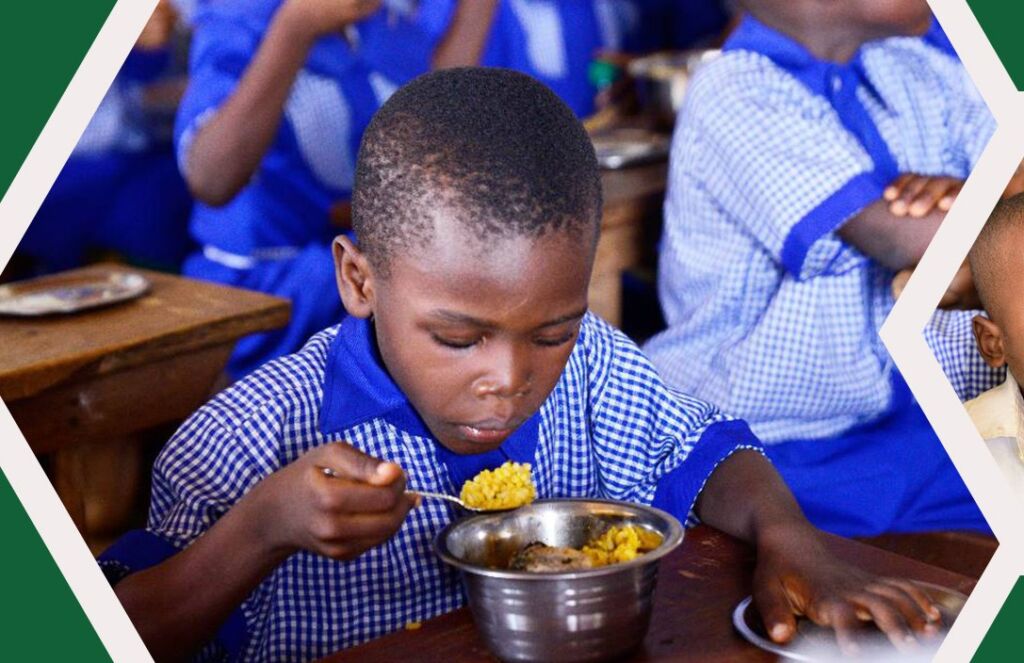
Ensuring Reform Works for Every Nigerian
Economic reform creates short-term pressures on households. The administration has been deliberate about cushioning those pressures — through direct cash support, student financing, expanded health access, and stronger worker protections — while laying the foundation for long-term improvement.
What has Changed
Direct cash transfers scaled up. Over 8.5 million households have received cash transfers of ₦25,000, with ₦330 billion disbursed through the National Social Safety Net Programme. This is more than four times the number of households reached under the previous administration’s nine years of the same programme. Payments are verified digitally through NIN-linked identity systems, reducing fraud and ensuring funds reach their intended recipients.
Student loans launched at national scale. The Nigerian Education Loan Fund (NELFUND) has disbursed ₦183.9 billion to nearly one million students across 265 institutions. For the first time, Nigerian students from low-income backgrounds have a structured, government-backed route to financing higher education.
Health access expanded. Visits under the Basic Health Care Provision Fund have grown from 10 million in early 2024 to 45 million by mid-2025. Over 90% of births now occur under skilled attendance. Confidence in the public health system has risen to 55%, with 84% implementation of the Health Renewal Compact commitments.
Workers protected. The national minimum wage has risen from ₦30,000 to ₦70,000 — a 133% increase. Nigerians earning ₦800,000 or less annually now pay zero income tax, providing further relief for low and middle-income earners.
Food security supported. Food inflation has fallen from a peak above 40% to 10.84% by December 2025. Over five million women farmers have been supported through targeted agricultural programmes. Grain reserves have been released to stabilise supply, and special agro-processing zones are increasing domestic food production capacity.
What It Means For Nigerians
More money in the hands of low-income earners. Broader access to healthcare and education. Direct support for the households most exposed to the pressures of reform. The administration’s position is clear: growth that does not protect the vulnerable is not the kind of growth Nigeria is building toward.
Protecting People
During Reform
How government interventions are cushioning citizens, improving welfare, and ensuring that growth is inclusive — no one is left behind.
Up from 10M in early 2024
National Minimum Wage More Than Doubled
Workers earning ₦800,000 or less annually pay zero income tax under the 2026 Tax Reform. Every worker on minimum wage keeps every kobo they earn.
Women Farmers Empowered
Over five million female smallholder farmers empowered with mechanisation support, farming inputs, and market linkage under the Women Agro Value Expansion Programme.
Housing Units for IDPs
Federal government constructed 289 housing units for internally displaced persons across Nasarawa, Zamfara, Kano, Kaduna, Borno, and Katsina States.
Skills Acquisition Centres
Seven Skills Acquisition Centres completed in Niger, Borno, Katsina, Kano, and Zamfara states, providing training in solar power, automobile mechanics, and agriculture.
Farmland for Displaced Households
NALDA cultivated 10,000 hectares of farmland specifically for conflict-displaced households to support food security and income generation.
Youths Trained in Skills-to-Wealth
Youths trained in automobile mechanics, solar power installation, and agricultural practices — 54% from Northern states targeting the hardest-hit communities.
Individuals on National Social Register
Over 13 million households and 48 million individuals enrolled into the NSR in Northern Nigeria alone — one of Africa's most comprehensive poverty databases.
Sources: Federal Ministry of Humanitarian Affairs; NELFUND Daily Status Report Feb 2026; NSIPA; Federal Ministry of Health & Social Welfare; This Day Live; Nairametrics; Gov. Uzodimma address, PGF Strategic Summit, Feb 24, 2026