
Fiscal & Macroeconomic
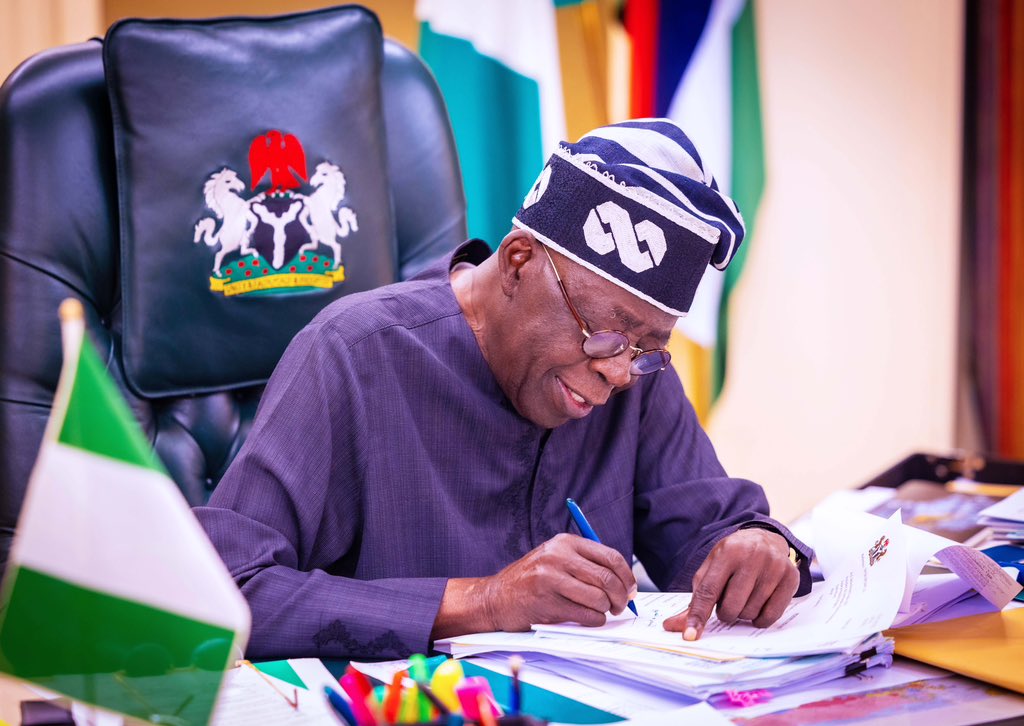
Rebuilding Nigeria's Economic Foundation
When President Tinubu took office in May 2023, Nigeria’s public finances were under severe strain. Debt service was consuming nearly all government revenue. A distorted foreign exchange system was driving away investment. And fuel subsidies were costing more annually than the government spent on health, education, and infrastructure combined.
The administration made a deliberate choice: address these structural problems directly. The goal was an economy that is transparent, predictable, and capable of delivering for its people over the long term.
What has Changed
Fiscal discipline restored. The fiscal deficit has fallen from 5.4% of GDP in 2023 to 3.0% in 2024. Ways and Means deficit financing — a primary driver of inflation — has been discontinued. Debt service, which once consumed nearly 100% of government revenue, now stands below 40%, freeing resources for public investment.
Foreign reserves strengthened. Reserves have risen from $32 billion to over $49 billion — a 53% increase. The gap between official and parallel exchange rates, once above 30%, has been compressed to less than 2%. Over $10 billion in foreign exchange backlogs owed to businesses have been cleared.
Inflation declining. Headline inflation has fallen for eight consecutive months, from a peak above 34% to 15.15% by December 2025. Food inflation has come down from over 40% to 10.84%.
Tax reform enacted. Legislation signed in June 2025 consolidates over 60 taxes into fewer than 10. Nigerians earning ₦800,000 or less per year pay zero income tax. Small businesses under ₦50 million in turnover are exempt from company tax. Employers receive a 50% deduction for new hires and for raising wages, structured incentives for job creation and growth.
Revenue growing. Government revenue has more than doubled. FAAC allocations to states have grown by 60%, putting more resources into local roads, healthcare, and education.
When President Tinubu took office in May 2023, Nigeria’s public finances were under severe strain. Debt service was consuming nearly all government revenue. A distorted foreign exchange system was driving away investment. And fuel subsidies were costing more annually than the government spent on health, education, and infrastructure combined.
The administration made a deliberate choice: address these structural problems directly. The goal was an economy that is transparent, predictable, and capable of delivering for its people over the long term.
What it Means For Nigerian
Lower inflation means household budgets stretch further. The minimum wage has risen from ₦30,000 to ₦70,000. Tax relief for low earners and small businesses means more money stays in the hands of those who earned it. And as debt obligations ease, more of every naira collected goes toward services rather than servicing the past.
The foundation has been rebuilt. The work of delivering on it continues.
Fiscal & Macroeconomic
Reforms
Restoring economic stability, credibility and fiscal discipline — connecting national decisions to household and business realities.
Source: Address by Governor Hope Uzodimma at the PGF–Renewed Hope Ambassadors Strategic Summit
State House Conference Hall, Presidential Villa, Abuja · February 24, 2026